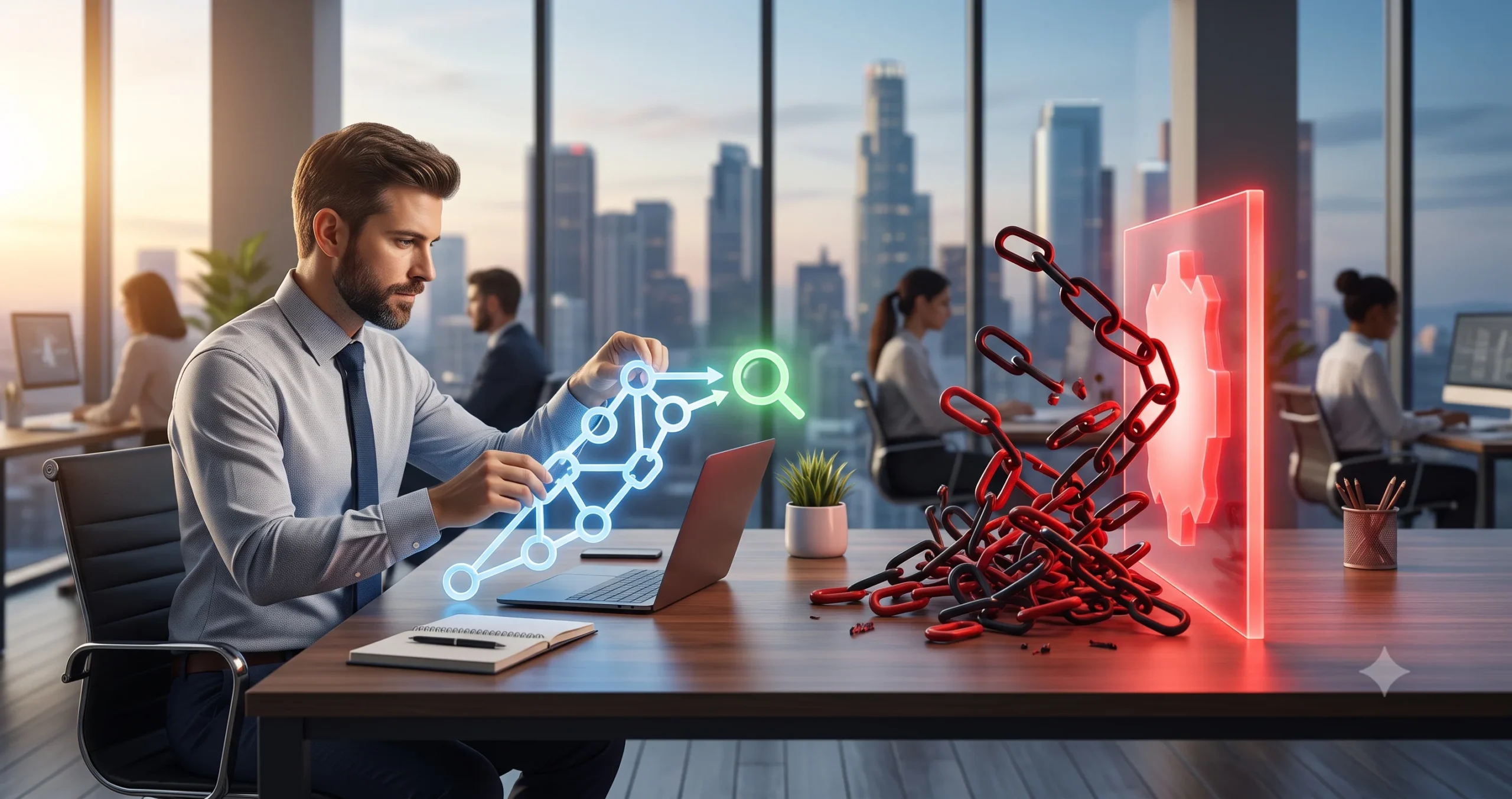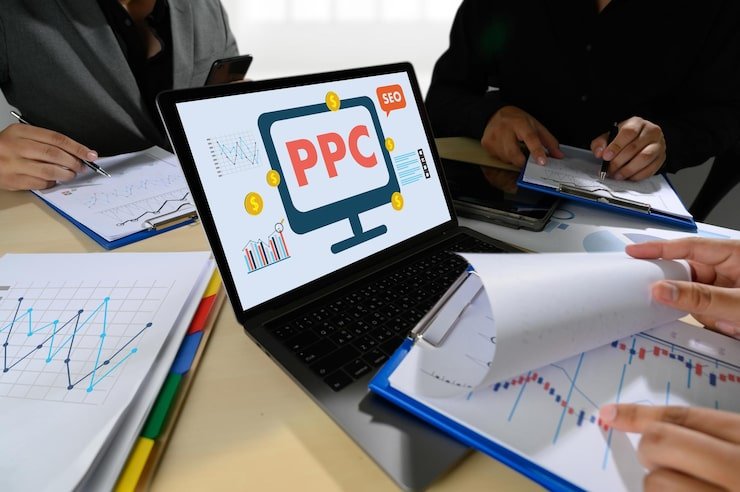
Running SEO, pay-per-click advertising, and social media marketing efforts as three different endeavours is probably one of the most common and expensive mistakes that small business owners can make when going online. Here are the reasons why it is important to integrate those marketing efforts and how it is done in real life.
Why do small businesses treat SEO, PPC, and social media as separate?
Small firms tend to grow their digital marketing organically, one channel at a time. First comes the website, then some SEO, and at some point they will have run a Google Ads campaign. Then, at some other point down the line, they have created social media accounts. All these steps are taken individually, based on a particular challenge. Their traffic is low, so they use PPC. Growth through SEO is too slow, so they need an SEO expert.
The end result is that there is a marketing process which has the three marketing channels running in parallel without any channel reinforcing the other two. The pay-per-click advertising campaign has keywords which the SEO campaign is trying to rank. The social media content has no connection to what the SEO content calendar is producing. The Google Ads data, which is some of the richest conversion intelligence available to a small business, never gets used to inform content or organic strategy.
This is not a resource problem. It is a structural one. And it persists even when businesses spend significantly on each individual channel, because spending without integration produces fragmented results regardless of budget.
What is an integrated SEO, PPC, and social media strategy?
Integrated strategy refers to a situation whereby all three channels function from the same level of understanding regarding the audience, the messages, and the conversion objectives, and each channel is involved in providing feedback to the other channels.
In practice, integration looks like this:
- PPC data informs SEO priorities: the conversion data from Google AdWords will give insight into the keywords that actually lead to conversions and sales, not just clicks. The SEO strategy is therefore shaped by the keywords that are worth investing in.
- SEO content supports PPC landing page quality: High-quality and well-written content results in a high Quality Score in Google Ads and creates a good landing page experience. A poor Quality Score leads to expensive clicks. Better content will result in cheaper paid traffic.
- Social media amplifies organic content: blog posts and landing pages that benefit from social distribution tend to receive more engagement signals. These engagement signals do not affect Google’s ranking algorithm directly, but the traffic, link building, and branded search volumes that result from social amplification do.
- Retargeting connects paid and organic: the person who clicks on the site via organic blog content but fails to convert is now part of the retargeting list that includes paid social and display advertising. The organic and the paid channels function sequentially rather than competitively.
- Shared reporting connects everything: Once all three channels have been reported on the same conversion goals and the same attribution model, then it will become clear which combination of touch points drives customers rather than just attributing all the credit to one channel.
What does a PPC advertising agency do that a small business cannot easily do alone?
PPC Advertising management has some complex requirements which are not very difficult to underestimate. In the case of Google Ads, the platform has become quite advanced, and its settings are built on the basis of earning money for Google, not for getting a return on investment for advertisers. A small company doing PPC advertising without professional knowledge will most probably waste money, target the wrong people, and make bad bids and audience selections.
A PPC company or PPC advertising agency brings:
- Campaign architecture expertise: organising the structure of the ad groups, match types, negatives, and audiences in a way that does not waste money and ensures that the correct ads are served to the correct searchers
- Bid strategy management: knowledge of when to employ manual bidding, target CPA, target ROAS, or Maximise conversion strategies depending on the data maturity of the account
- Creative testing discipline: systematic testing of advertisement copy, headline, and extensions to get the combinations that will provide the highest click-through and conversion rates.
- Quality Score management: better management of landing page relevance, advertisement relevance, and expected click-through rate in order to reduce cost-per-click and increase ad ranking without raising the bid price
- Audience targeting and segmentation: Application of Customer Match, in-market audiences, and remarketing lists in an effective manner beyond keyword targeting
Small businesses that attempt to manage Google Ads campaigns without this expertise typically achieve cost-per-lead figures two to four times higher than well-managed campaigns in the same category, which makes the investment in professional Google Ads management services quickly self-funding.
What do Google Ads management services include?
The services offered by a Google Ads management agency differ from one provider to another; however, a comprehensive Google Ads management for a small business involves:
- Initial audit and account restructure: Assessing the current state of the campaign, spotting inefficiencies, eliminating irrelevant keywords, and restructuring the campaign structure based on conversions and not impressions
- Keyword research and competitive analysis: finding the right keywords that would combine the factors of traffic, commercial intent, and cost per click in relation to the particular industry and geography
- Ad copy development and testing: developing different versions of advertisements and testing using A/B testing instead of subjective judgment
- Landing page recommendations: identifying landing page gaps that are limiting conversion rate, including load speed, message match between ad and page, and call-to-action clarity
- Ongoing bid and budget management: adjusting bids, pausing underperforming keywords, expanding into new keyword clusters, and reallocating budget toward the campaigns generating the strongest return
- Monthly reporting against business metrics: cost per lead, cost per acquisition, revenue attributed to paid search, and return on ad spend, not just impressions and clicks
The difference between a Google Ads management agency that reports on activity and one that reports on business outcomes is significant. Small businesses should insist on outcome-focused reporting before engaging any paid search provider.
Why is social media marketing more than just posting content?
Most small businesses understand that social media matters. Fewer understand what it actually takes to produce business results from social platforms rather than just brand presence.
Posting content consistently is a starting point, not a strategy. A social media marketing agency operating at a professional level is doing substantially more than scheduling posts:
- Audience research and persona development: understanding exactly who the target audience is on each platform, what content they engage with, and what problems or aspirations the brand can speak to that are relevant to those audiences
- Platform-specific content strategy: content that performs on LinkedIn looks nothing like content that performs on Instagram or Facebook. Platform-native content development requires understanding the feed algorithm, the content format preferences, and the engagement behaviors specific to each network
- Community management: responding to comments, managing direct messages, and handling mentions in ways that build relationships and protect brand reputation, not just broadcasting into the feed
- Paid social integration: organic social reach on most platforms has declined significantly over the past several years. Effective marketing companies for social media integrate paid social promotion with organic content to ensure the best content reaches the right audience
- Performance analysis: tracking which content formats, topics, and posting cadences produce the engagement, website traffic, and lead generation that justify the investment
Social media management firms that treat the work as content production and scheduling are operating at one layer of a much deeper discipline. Small businesses that expect business results from social media need partners who work at the full depth of the channel.
How does paid social media fit into the integrated strategy?
Paid social media and paid search are used in different ways within the buying process, and it is critical to understand their functions in order to make proper allocation of funds for both platforms.
Google Ads and pay per click advertising companies meet the existing demand through advertising. If someone searches for a product or service, they are showing intention. And the advertisement is there to guide that intention towards conversion.
Whereas paid social generates demand. An advertisement placed on Facebook or Instagram will target those who do not actively search for products but whose demographics and interests are similar to those of the probable buyer. This type of advertising will help familiarise the brand with the audience and push them down the funnel until they begin searching.
An integrated strategy uses both. Paid social creates awareness and retargets the organic website visitors. Paid search completes the conversion process while the intent is at its peak. SEO creates an organic base that lessens the dependency on paid traffic. Social media keeps the trust alive between two buying cycles through brand presence.
No single channel does all of this. The businesses that understand the distinct role of each channel and fund each appropriately consistently outperform those that concentrate all budgets in one place and wonder why growth plateaus.
What should a small business look for in a marketing partner for all three channels?
Selecting an agency that is able to implement all three aspects of SEO, PPC, and social media without having to trade quality for quantity greatly reduces the field of candidates. The vast majority of agencies are very good at some while just adequate in others. It’s the questions that make the difference:
- Ask for examples of the results of an integrated campaign, not of the results of each channel separately. A true partner is someone who will be able to demonstrate how the channels worked together in order to achieve a business goal.
- Ask how the channels communicate internally with the partner. If the paid team and the SEO team operate independently, the integration exists on a slide deck but not in the work.
- Ask what reporting looks like across all three channels. Does the partner produce one integrated report that connects all three channels to revenue, or three separate reports that require the client to synthesize the picture themselves?
- Ask specifically about pay per click advertising companies methodology. How does the partner handle search term reports? How often are bids adjusted? How are Quality Scores managed? Detailed, specific answers signal genuine expertise.
- Ask about the social media management firms approach to paid social. Is it managed by the same team as organic social? Is there coordination between social and Google Ads audiences? Are retargeting lists shared across platforms?
How long before an integrated strategy produces results?
The timeline differs by channel, and this is one of the most important expectations to set correctly before investing in an integrated program.
PPC produces results quickly. Well-structured campaigns with adequate budget can generate leads within days of launch. The trade-off is that results stop the moment the spend stops. There is no compounding effect.
SEO produces results slowly but compounds over time. Depending on the degree of established authority within the field and the competition level of the targeted keywords, tangible benefits from organic rankings will take around three to six months to achieve and keep improving so long as the effort is sustained. The good thing about organic rankings is that, once achieved, traffic comes without further costs.
Social media sits between the two. Organic social builds audience and trust over time. Paid social produces results quickly but requires ongoing spend. The social channel’s contribution to business outcomes is often indirect, making attribution challenging but the brand value real.
The integrated strategy argument is strongest precisely because of these timeline differences. PPC funds the business while SEO builds. Social maintains the brand relationship across both cycles. A business that relies only on PPC is permanently dependent on ad spend. A business that waits only for SEO to kick in before spending may not survive the wait. Integration is the practical answer to both limitations.
Why Savit Interactive?
We work with small and mid-sized businesses across the U.S. that need all three channels managed as a single integrated program rather than three separate retainers. At Savit Interactive, our paid search team, SEO strategists, and social media specialists work from a shared strategy framework, which means the insights generated in one channel automatically inform the others.
Our Google Ads management services are run by certified specialists who report on cost per acquisition and return on ad spend, not impressions. Our social media marketing agency practice covers both organic community management and paid social integration across Facebook, Instagram, and LinkedIn. And our SEO work is built to compound over the duration of the engagement, reducing paid traffic dependence over time rather than maintaining it indefinitely.
If you are a small business in the U.S. that is spending on digital marketing without seeing results that connect clearly to revenue, the issue is almost always integration rather than channel selection. We are ready to walk through what an integrated program looks like for your specific business category and growth goals.
Visit our PPC advertising agency page to learn how we structure multi-channel engagements and what small businesses can expect from the first 90 days.