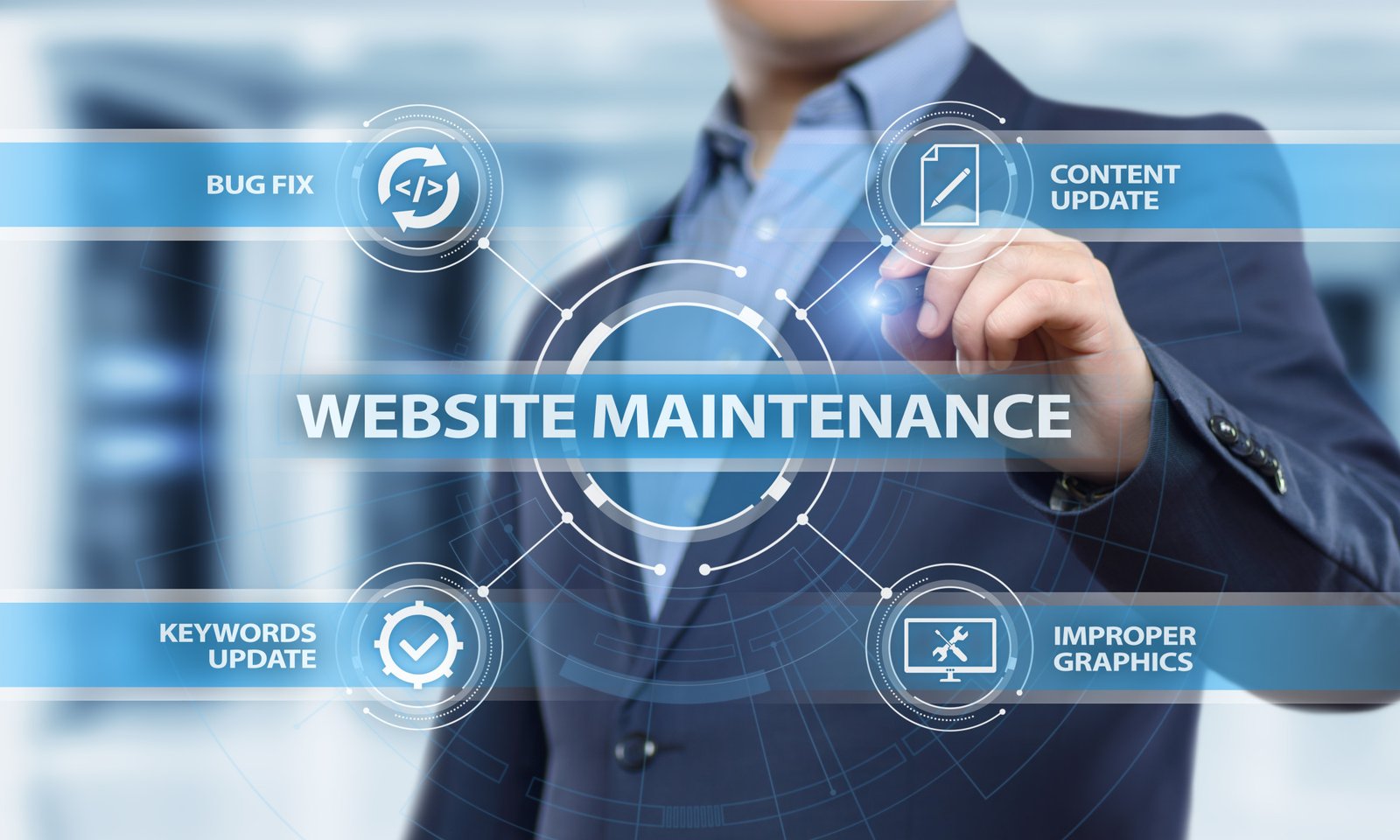
A properly built website provides the foundation for search visibility, but sustaining it takes effort beyond the initial build. Website maintenance ensures the technical aspects of your website remain stable, secure, fast, and usable.
Launching a website is a major achievement, but the work of keeping it performing well in search doesn’t stop once it goes live. Over time, software updates, new content, URL changes, integrations with other sites, security needs, and other factors can affect how search engines index and process the website. A well-performing website at first can face problems later as it evolves.
Maintenance ensures that organisations can safeguard the technical framework laid down during website development and SEO implementation. This ensures key pages remain functional and provide a consistent user experience, while enabling early identification of technical issues before they become more significant. Website maintenance is therefore crucial for organisations investing in website design and maintenance services.
Why Does SEO Need Attention After a Website Launch?
SEO is an ever-evolving process because a website does not remain unchanged after launch. Websites are always being updated, which affects search engine crawling and user experience. For instance, a script can delay page loading, a change in URLs will require redirection, and a change in the navigation system may disrupt the link-building strategy.
It also provides for a more proactive solution. Rather than acting after traffic has dropped and problems have occurred, regular SEO maintenance helps detect issues before they arise.
How Does Website Maintenance Help SEO?
Website maintenance contributes to SEO by keeping the website available, functional, secure, and technically sound. This ensures both visitors and search engines have a good experience.
These actions include software updates, bug fixes, backups, performance checks, security checks, and content updates. Together, these activities ensure search engines can analyse the site properly.
Development helps build the base while maintenance helps to keep it growing as the website evolves. Businesses that update their website often find maintenance is an integral part of their strategy, not something done only after launch.
Can Website Updates Affect Google Rankings?
Yes. A website update may affect its ranking in Google if it changes factors related to crawling, indexing, page relevance, internal linking, or user experience. It all depends on what the update is about and how it is done.
URL changes, for example, may require a proper redirect so search engines and visitors can still access the intended information. Navigation revisions may change how authority and relevance flow through web pages, while content revisions can affect how search engines view a page’s intent.
Effective web management gives you more control over this process. You can implement updates thoughtfully, review important functionality afterwards, and identify unexpected changes earlier.
Why Is Website Speed Important for SEO?
Website performance directly affects the user experience. Visitors increasingly expect quick page load times, especially on mobile devices or when navigating multiple pages in a session.
Even a website that was efficient when it first launched will likely gain weight over time as you add pictures, videos, tracking, fonts, plug-ins, and third-party scripts, among other things. These things increase the burden on both the browser and server without proper check-up.
Performance improvement strategies may include image optimisation, caching, database cleansing, code changes, and reviewing scripts and plug-ins that may no longer be required. The specific strategy will depend on the website’s technology and the cause of poor performance.
At Savit Interactive, we view performance optimization as part of maintaining a healthy website over time. Periodic monitoring helps ensure that growth in content and functionality does not come at the expense of the experience originally created for visitors.
How Do Broken Links Affect SEO?
Broken links disrupt navigation and make it harder for both users and search engines to move through a website seamlessly. These occur due to URL changes, page removals, unavailable external sources, or content that hasn’t been updated while other parts of the website have changed.
As the website grows, it becomes even more important to keep the links intact. Blog archives, service pages, product listings, and campaign pages may contribute to the number of broken links on the site.
Routine maintenance makes it possible to identify these issues and determine the most appropriate response. An internal link may simply need updating, while a removed page may require a relevant redirect.
This is why experienced website maintenance companies consider both visible functionality and the underlying technical details that influence navigation, crawl efficiency, and overall website quality. Maintaining a coherent link structure also helps visitors discover related information more naturally.
Can Website Security Problems Affect SEO?
Yes. Website security and SEO are related because search engine visibility depends on a website being secure and operational. Security problems like malware, modifications, spam, and malfunctions can affect a user’s experience of a site.
Modern websites also depend on content management systems, themes, plugins, applications, and integrations that are upgraded periodically. Updating these components helps eliminate existing vulnerabilities and keeps the website compatible.
The maintenance process supports this through security monitoring, software updates, backups, and technical reviews. The process ensures that security is not seen as something only done in the face of an attack.
Why Should Website Content Be Updated Regularly?
Changes in business data, customer requirements, product or service offerings, and even search behaviour mean website content will need to change. A page that once seemed fully fleshed out may now seem out of date or no longer provide the needed information. These changes should have a purpose behind them and could include additional information, deletion of irrelevant facts, FAQ pages, better navigation, etc.
Regular updates also support E-E-A-T by ensuring the content is accurate and reliable, in line with the business’s obligation to provide quality content. Structure is just as important for both AEO and GEO, as it enables both search engines and AI systems to make sense of the content.
What Technical SEO Issues Can Appear After Launch?
Technical SEO mistakes can happen during the development stage of the website, even after planning its successful launch. They can range from faulty redirects, indexing problems, duplication, misplaced canonical tags, missing metadata, mobile optimisation faults, slow-loading templates, to changes in internal links. Some mistakes can be caused by changes, while others may develop over time.
Regular technical reviews help identify these issues and decide what needs action. It is not about frequent changes; it is about ensuring technical consistency over a long period. It is also important to coordinate SEO, development, and webmastering efforts for better results.
Does Web Hosting Affect Website SEO?
Hosting can affect website performance in areas such as availability, server response time, reliability, and managing fluctuating traffic levels. All these elements play a role in the overall visitor experience.
Good web hosting services provide the technical support needed to ensure a website’s availability and server response time. Hosting, nevertheless, is just one element of performance. Good coding, image optimisation, caching, scripting, and website design are among other elements that affect page load times.
For this reason, hosting and maintenance are most effective when considered as connected parts of website management. Hosting provides the environment in which a website operates, while maintenance helps ensure that the website continues using that environment efficiently.
When performance changes, this broader perspective also makes it easier to determine whether the underlying cause relates to hosting, website configuration, content, third-party resources, or several factors working together.
What Is the Difference Between Domain Hosting and Website Maintenance?
Domain management, website hosting, and website maintenance cover different aspects of a website’s operation. A domain is the address visitors use to access a website; hosting is the framework that stores and displays all website resources, and website maintenance focuses on ensuring the website’s security and proper functioning.
Professional domain hosting services and proper domain management can help organisations maintain continuity for a vital digital asset. Proper oversight is needed for renewals, DNS configuration, access rights, and other relevant matters to ensure uninterrupted operation.
Website maintenance covers a wide range of issues, including software and technical upgrades, data backups, security, content updates, and performance improvements.
Does Branding and Logo Design Matter for a Website?
Brand is not a substitute for SEO, but it helps visitors recognise, understand, and perceive the company. A visual brand identity can enhance recognition and help create coherence across different pages of the website.
Professional Logo Design services play an important role in creating a new website or redesigning a company’s identity. A well-chosen logo should work on both desktop and mobile screens, as well as on social media pages, brochures, papers, and other materials.
When looking for the best logo design company for a particular project, companies should not base their choice on visual appeal alone. Other aspects worth considering include scalability, legibility, relevance, usability online, and consistency.
What Should Website Maintenance Include for SEO?
SEO-centric website management should maintain the technical and content environment needed for discovery, accessibility, and a good user experience. This could include evaluating website performance and functionality, content accuracy, link integrity, security, and the effects of major technical changes.
Good maintenance also considers the consequences of individual updates. When a page is removed, its previous URL may need an appropriate destination. When a new plugin is introduced, its performance impact should be understood. When navigation changes, important pages should remain easy for both visitors and search engines to discover.
This makes maintenance proactive rather than purely reactive. Businesses can evaluate how their website is evolving instead of waiting for a visible problem to indicate that attention is required.
At Savit Interactive, our approach to web management is centered on maintaining technical stability while allowing websites to evolve with changing business requirements. This creates a more sustainable foundation for ongoing digital and search initiatives.
How Do You Choose a Website Maintenance Service?
Choosing a website maintenance service begins with understanding what is included and whether the scope reflects the website’s actual requirements. Maintenance can range from periodic content changes to more comprehensive technical, performance, security, and functionality management.
Businesses can evaluate how a provider handles updates, backups, technical issues, security monitoring, performance reviews, and communication. Experience with the website’s underlying technology is also important, particularly for platforms with custom functionality or multiple integrations.
It is equally valuable to consider whether the provider understands the website’s broader role. For many organizations, the website supports search visibility, lead generation, customer communication, brand positioning, ecommerce, and marketing activity.
How Can Savit Interactive Help Protect Your Website After Launch?
At Savit Interactive, we approach website maintenance as an extension of a website’s long-term digital strategy. Our focus goes beyond routine updates to maintain a website’s technical stability, security, performance, and usability as business requirements evolve.
Our website maintenance services support ongoing requirements such as updates, technical assistance, security monitoring, backups, bug resolution, and performance optimization. By maintaining continuity after launch, we help businesses manage their websites with greater confidence while keeping important functionality and digital experiences aligned with changing requirements.
We also recognize that maintenance does not operate independently of the wider digital ecosystem. Website development, design, hosting, SEO, branding, content, and ongoing technical management all contribute to the quality of an organization’s online presence. Bringing these considerations together enables a more consistent approach to long-term website performance.
A website launch creates the foundation, while thoughtful maintenance helps preserve and strengthen it. Although maintenance cannot guarantee specific search rankings, it can protect many of the technical, usability, security, and content factors that support sustainable organic visibility. For businesses that view their website as a long-term digital asset, ongoing maintenance is an important part of protecting both its performance and its value.