Not all PPC ads work the same way. This guide explains the different types of PPC ads and when to use each.
PPC advertising is often seen as a quick way to drive traffic. Set a budget, launch ads, and expect results. But many businesses struggle because they treat PPC as one single format, not realizing there are multiple types of PPC ads, each designed for a different purpose.
Running the wrong type of ad can lead to wasted spend, poor engagement, and disappointing results. A search ad works very differently from a display ad. Social media ads serve a different goal than shopping or remarketing ads. Without understanding these differences, even well-funded PPC ad campaigns can underperform.
This is why knowing the different types of PPC advertising matters. Each format supports a specific business goal, whether it is visibility, traffic, leads, or sales. Businesses that work with an experienced PPC advertising agency focus on choosing the right ad type before spending more.
In this guide, we explain the most common types of PPC ads in simple terms. The goal is to help you understand how each one works and how to choose the right approach for your business.
What Is PPC Advertising?
PPC, or pay-per-click advertising, is a digital advertising model in which businesses pay only when someone clicks their ad. Instead of waiting for organic visibility, PPC allows brands to appear to users immediately.
PPC works through bidding on keywords or audiences. When users search for specific terms or browse relevant content, ads are shown based on relevance, budget, and competition. These ads are part of structured PPC Ad campaigns designed to meet specific business goals.
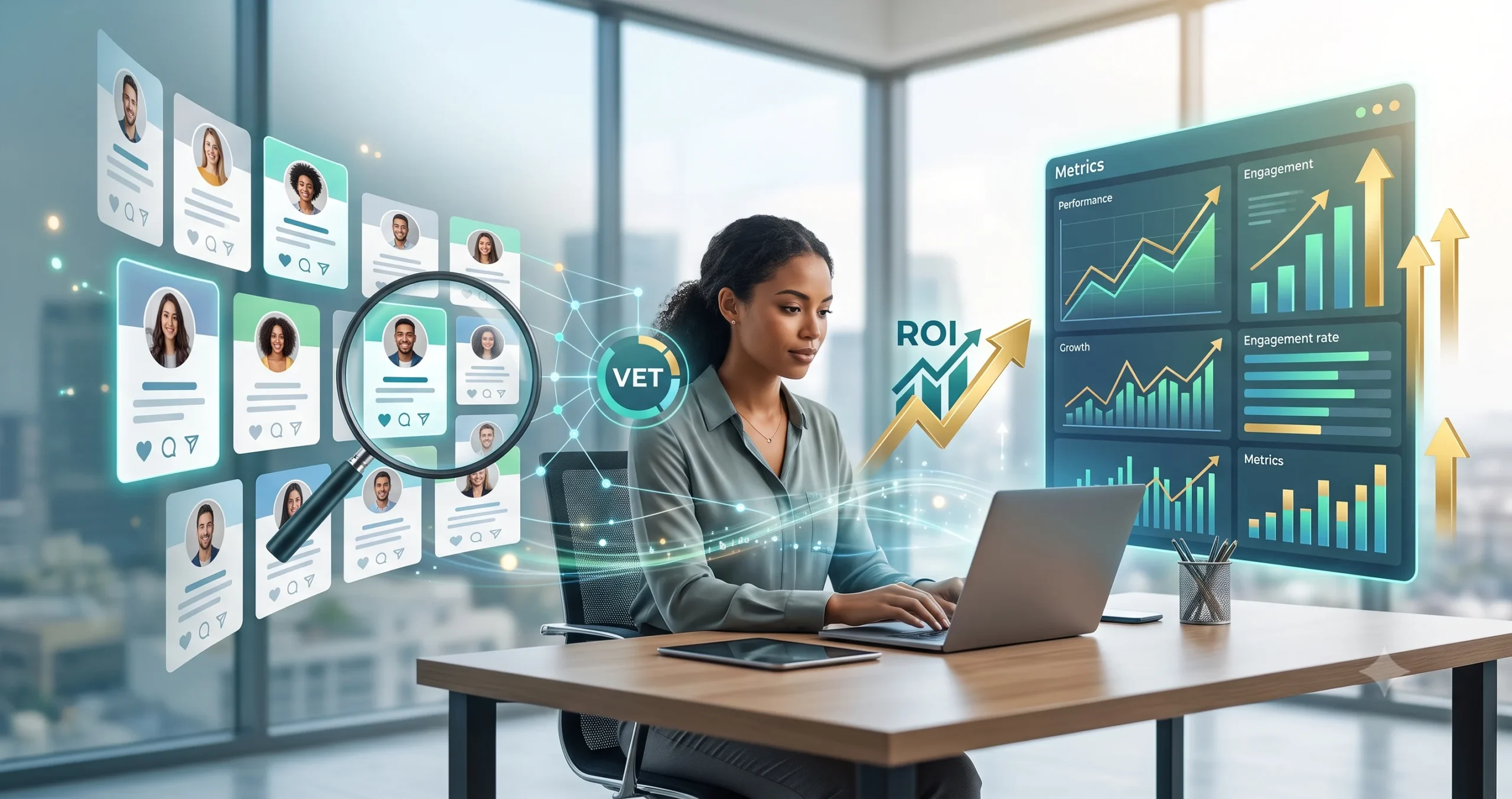
Businesses use PPC advertising to drive traffic, generate leads, or increase sales quickly. Because results can be measured in real time, PPC offers clear visibility into performance and spending. This is why many companies choose to work with a professional PPC advertising agency or firm to manage campaigns effectively.
When planned correctly, PPC advertising gives businesses control over where ads appear, who sees them, and how much is spent. Knowing how PPC works is the first step before looking at the different ad types.
Types of PPC Ads
1. Google Search Ads
Google Search Ads appear when users actively search for something on Google. These ads show above or below organic results and are triggered by specific keywords.
What this ad type is best at
Google Search Ads capture intent. They work when users already know what they want and are looking for a solution right now. This makes them one of the strongest types of PPC ads for direct response.
When Google Search Ads work well
- When users are actively searching for a service or product
- When the goal is leads, calls, or purchases
- When timing and intent matter more than awareness
When they may not be ideal
- When the audience is not yet aware of the brand
- When search competition is very high, and costs rise
- When the goal is only visibility, not action
Google Search Ads are commonly used in structured PPC ad campaigns where businesses want measurable, immediate results.
2. Google Display Ads
Google Display Ads are visual ads that appear across websites, mobile apps, and platforms that are part of Google’s Display Network. Unlike search ads, these ads are shown while users browse content rather than actively search.
The main purpose of Google Display Ads is visibility. They help businesses stay top of mind with potential customers even before those users start searching for a product or service. This makes them useful for awareness and brand recall rather than immediate conversions.
Google Display Ads work best at the early stages of the customer journey. They introduce a brand, reinforce messaging, and keep the business visible across different touchpoints. When used correctly, they also support remarketing efforts within larger PPC ad campaigns.
However, because users are not actively searching, clicks from display ads usually have lower intent than those from search ads. Success in advertising relies on strong visuals, clear messages, and targeting the right audience. Many businesses hire PPC advertising firms to make sure their display ads reach the right people in the right places.
3. Social Media PPC Ads
Social media PPC ads help businesses advertise their products and services directly on social media platforms. These ads target users based on their interests, behavior, and demographics, rather than what they are searching for. This makes them effective for awareness, engagement, and audience building.
Instead of treating social PPC as one format, it is important to understand how each platform works differently.
- Facebook Ads
Facebook ads are widely used to reach both broad and targeted audiences. They work well for awareness, lead generation, and remarketing. Businesses can target users based on interests, location, behavior, and past interactions, making Facebook a strong channel for scalable PPC Ad campaigns.
- Instagram Ads
Instagram ads are highly visual and work best for brands that rely on strong imagery or short videos. These ads blend into the feed and stories, making them effective for engagement and brand discovery. Instagram ads are often used to build interest and drive traffic rather than capture immediate intent.
- LinkedIn Ads
LinkedIn ads focus on professional and business audiences. They are commonly used for B2B marketing, lead generation, and the promotion of services to decision-makers. Because targeting is based on job roles, industries, and company size, LinkedIn ads are often managed by an experienced PPC advertising agency to improve cost control and precision.
Each platform serves a different purpose. Choosing the right one depends on the audience, message, and business goals, not just the budget.
4. Google Shopping Ads
Google Shopping Ads are product-based ads that appear directly in Google search results. These ads show product images, prices, brand names, and ratings, helping users compare options before clicking.
This type of PPC advertising is mainly used by eCommerce businesses. Instead of promoting keywords with text ads, Google Shopping Ads promote actual products. This makes them one of the most conversion-focused types of PPC ads.
Google Shopping Ads work best when users are already close to making a purchase. Seeing product visuals and prices up front helps set expectations and attract users with strong buying intent. For this reason, they are often a key part of performance-driven PPC Ad campaigns.
However, success with Google Shopping Ads depends heavily on product data quality. Accurate titles, clear images, correct pricing, and proper categorization all play an important role. Many businesses choose to work with a professional pay per click advertising agency to manage feeds and optimize performance, especially when avoiding common Google Ads Performance Planner mistakes that can impact budgeting and forecasting
5. Video PPC Ads
Video PPC ads use short video content to promote products or services through paid placements. These ads are designed to capture attention quickly and communicate messages visually rather than relying on text alone.
How Video PPC Ads are used
Video ads are commonly shown on platforms like YouTube and social media channels that support video content. They are often included in broader ppc ad campaigns focused on reach and engagement.
What Video PPC Ads are best suited for
This format works well for brand awareness, storytelling, and product introductions. Video helps explain ideas clearly and leaves a stronger impression compared to static ads.
Where Video PPC Ads fit in the funnel
Video PPC ads are most effective at the early stages of the customer journey. They help build familiarity and interest before users move toward search or conversion-based ads.
Because performance depends heavily on creative quality and targeting, many businesses rely on a professional PPC advertising agency to manage video advertising effectively.
6. Remarketing / Retargeting Ads
Remarketing ads focus on users who have already interacted with a business. This could include visiting a website, viewing a product, or engaging with previous ads. Instead of reaching new audiences, remarketing helps re-engage users who are already familiar with the brand.
Remarketing ads are useful when:
- Users visit a website but do not convert
- Products are viewed but not purchased
- Forms are started but not completed
- Brand recall needs reinforcement
Because these users already have some awareness, remarketing ads often deliver higher engagement and better conversion rates. This makes them an important part of well-planned PPC ad campaigns.
To avoid overexposure or wasted spend, remarketing needs careful audience control and frequency management. Many businesses rely on a skilled PPC advertising agency to manage remarketing effectively and maintain balance.
7. Local PPC Ads
Local PPC ads are designed to reach users within a specific geographic area. These ads are commonly used by service-based and location-driven businesses that want to attract nearby customers.
Imagine a user searching for a service or browsing online within a certain city. Local PPC ads ensure that relevant businesses appear at the right time, often with options to call, get directions, or submit an inquiry.
Local PPC advertising works especially well for:
- Businesses targeting nearby customers
- Driving phone calls and walk-ins
- Promoting location-specific services
Because location accuracy and timing matter, local campaigns are often handled by a professional PPC advertising firm to ensure ads reach the right audience without unnecessary spend.
8. In-Stream Ads
In-stream ads are video ads that appear before, during, or after video content. These ads are commonly shown on platforms like YouTube and other video streaming environments.
In-stream ads are designed for visibility rather than immediate action. They help businesses introduce a brand, product, or message to users while they are already engaged with video content. Because users are watching rather than searching, this format works best for awareness and recall.
These ads are often used in large-scale PPC ad campaigns where reach and brand exposure are key objectives. Success depends on delivering a clear message within the first few seconds, which is why creative quality matters more than length.
9. Amazon Ads
Amazon Ads focus on reaching users who are already in a buying mindset. These ads appear within Amazon’s platform and promote products directly to shoppers who are searching, browsing, or comparing items.
Unlike other types of PPC ads, Amazon Ads are closely tied to product discovery and purchase behavior. This makes them highly effective for eCommerce brands looking to increase product visibility and sales.
Amazon Ads work best when:
- Products are already listed and optimized
- The goal is direct sales rather than awareness
- Competition exists within the same product category
Because bidding, product placement, and performance tracking can be complex, many brands work with a specialized PPC advertising firm to manage Amazon advertising efficiently.
10. Native Ads
Native ads are paid ads designed to blend seamlessly with the content around them. Instead of looking like traditional advertisements, native ads match the platform’s format, style, and tone.
These ads are commonly seen on news websites, content platforms, and blogs. Because they feel less intrusive, native ads often receive higher engagement compared to standard display ads.
Native ads are mainly used to:
- Promote content or articles
- Drive soft engagement rather than direct sales
- Support brand storytelling
Native advertising fits well into broader PPC Ad campaigns that focus on content discovery and audience education rather than immediate conversions.
How to Choose the Right Type of PPC Advertising
Choosing the right PPC format starts with understanding what you want to achieve. Different types of PPC ads serve different purposes, and using the wrong one can lead to wasted budget and poor performance.
- Start with your business goal
If your goal is immediate leads or sales, search-based ads like Google Search or Shopping Ads are more effective. If your focus is visibility or brand awareness, formats such as display, video, or in-stream ads make more sense. The ad type should always match the outcome you expect.
- Consider where your audience is in the journey
Users who are actively searching behave differently from users who are browsing content or watching videos. High-intent users respond better to search and shopping ads, while awareness-stage users engage more with social, native, or video ads. Strong ppc ad campaigns are built by aligning ad types with user intent.
- Factor in your budget and competition
Some ad formats cost more due to competition. Search and shopping ads can become expensive in crowded markets, while display or native ads may offer wider reach at lower costs. This is where planning with a pay per click advertising agency helps avoid unnecessary spending.
- Test, review, and refine
There is no single format that works forever. Businesses often test multiple PPC formats, review performance, and then scale what delivers results. A structured approach, guided by a reliable PPC advertising firm, helps turn testing into long-term success rather than trial and error.
Choosing the right PPC ad type is less about experimenting blindly and more about making informed decisions based on goals, audience behavior, and performance data.
Choosing the Right PPC Approach
PPC advertising offers multiple formats, each designed to serve a specific purpose. From search and shopping ads to video, social, and native placements, understanding the different types of PPC ads helps businesses make smarter decisions and avoid wasted spend.
The key is not to use every PPC format available, but to choose the ones that align with your goals, audience intent, and budget. Well-planned PPC Ad campaigns are built around strategy, not experimentation. When ad types are selected carefully and reviewed regularly, PPC becomes a reliable channel for growth rather than a short-term tactic.
This is where experience plays an important role. Working with a trusted PPC advertising firm helps businesses plan campaigns with clarity, manage budgets effectively, and focus on outcomes that matter.
At Savit, we approach PPC advertising with a strategic mindset. Our focus is on selecting the right ad formats, aligning them with business goals, and continuously optimizing performance. Instead of one-size-fits-all solutions, we help businesses build PPC strategies that deliver consistent and measurable results over time.
When PPC advertising is guided by the right insights and execution, it becomes a powerful tool for visibility, engagement, and sustainable growth.
Frequently Asked Questions (FAQs)
What are the different types of PPC ads?
There are several types of PPC ads, including Google Search Ads, Display Ads, Social Media Ads, Shopping Ads, Video Ads, Remarketing Ads, Local Ads, Amazon Ads, In-stream Ads, and Native Ads. Each type serves a different business goal.
Which type of PPC advertising is best for beginners?
Search ads are often the easiest to start with because they target users who are actively searching. Many businesses begin with search-based PPC Ad campaigns before expanding into other formats.
Can businesses run multiple PPC ad types simultaneously?
Yes. Many successful PPC Ad campaigns use a mix of ad types to support different stages of the customer journey, such as awareness, consideration, and conversion.
How do I know which PPC ad type fits my business goals?
The right PPC ad type depends on your goal, audience intent, and budget. A professional PPC advertising agency can help map ad formats to the right outcomes.
Is PPC advertising expensive?
Costs vary based on competition, targeting, and ad type. With the right strategy, PPC can be cost-effective and scalable when managed by a reliable pay per click advertising agency.